

How to boost your ecommerce sales: Proven strategies for 2025
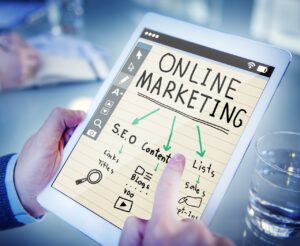 In the competitive world of eCommerce, boosting sales requires more than just attracting visitors to your website. You need a combination of smart strategies that optimize the entire customer journey—from the moment they land on your site to after they complete a purchase. As we head into 2025, here are some proven strategies that can help you increase your eCommerce sales and grow your business.
1. Optimize product pages for conversion
Your product pages are the heart of your eCommerce site, and optimizing them is crucial for turning visitors into buyers. First, ensure your product descriptions are clear, engaging, and packed with key details. Include high-quality images and videos that show your product from multiple angles and demonstrate how it works.
Add customer reviews and ratings to build trust, and make sure the call-to-action (CTA) buttons are prominent and compelling. A/B testing your product pages to fine-tune elements like layout, product descriptions, and CTA wording can also improve conversions.
Additionally, optimize your product pages for mobile users. With more people shopping via mobile devices, ensuring a smooth and fast-loading mobile experience is essential to preventing cart abandonment.
2. Leverage data-driven marketing
Using data to guide your marketing efforts is a powerful way to increase sales. Track customer behaviour on your website to understand what products and pages drive the most engagement. Tools like Google Analytics, heatmaps, and customer surveys can give you valuable insights into your customers’ preferences and pain points.
Segment your audience based on their buying behaviour, preferences, or demographics. Personalized marketing campaigns targeted to specific customer segments are much more likely to resonate with your audience and drive conversions. Data-driven marketing also helps you identify high-performing channels, allowing you to allocate your budget more effectively.
3. Run strategic email campaigns
Email marketing continues to be one of the most effective ways to boost eCommerce sales. If you’re not already using email to engage with customers, it’s time to start. Create personalized email campaigns that deliver the right message at the right time. For example, abandoned cart emails remind customers to complete their purchases, while post-purchase emails can encourage repeat business with product recommendations based on their previous purchases.
Automate email flows to keep customers engaged over time. Use welcome emails for new subscribers, and send exclusive offers or discounts to loyal customers. Personalization is key—emails that speak directly to a customer’s interests are more likely to get opened and clicked.
4. Enhance the customer experience
The better your customer experience, the more likely customers will complete their purchases and return for future ones. Start by making the checkout process as easy as possible. Remove unnecessary steps, offer guest checkout options, and provide multiple payment methods. Consider offering express checkout options like PayPal or Apple Pay for a frictionless experience.
Speed also matters. A slow-loading website can drive customers away, so ensure your site loads quickly on both desktop and mobile. If your website performance needs improvement, look into optimizing images, reducing server response time, or using a content delivery network (CDN) to boost speed.
Customer service is another critical component of the shopping experience. Provide excellent support through live chat, email, or phone, and offer a generous return policy to reduce the perceived risk of purchasing.
5. Leverage SEO to drive organic traffic
Driving organic traffic to your eCommerce website through search engine optimization (SEO) is one of the most cost-effective ways to increase sales. Start by optimizing your product pages with relevant keywords in titles, descriptions, and image alt tags. This helps search engines understand what your products are and rank them higher in search results.
Make sure your site is mobile-friendly, fast, and secure—factors that search engines like Google consider when ranking websites. Content marketing, such as blog posts or buying guides that answer common customer questions, can also improve your site’s SEO by attracting valuable backlinks and increasing time spent on your website.
For businesses looking for a more immediate boost in visibility, search engine marketing services can complement your SEO efforts by driving paid traffic to your product pages through PPC (pay-per-click) ads. Combining organic and paid strategies will maximize your reach and potential sales.
6. Use social proof to build trust
In eCommerce, trust plays a huge role in the decision-making process. Shoppers are more likely to purchase from a site they trust, and social proof is a powerful way to build that trust. Display customer reviews, testimonials, and star ratings prominently on your product pages. Showcasing user-generated content, such as customer photos or videos, is another way to enhance credibility.
If your brand has been featured in well-known publications or endorsed by influencers, highlight this on your website. Positive mentions from reputable sources or influencers can sway undecided customers into making a purchase.
7. Offer time-limited discounts and promotions
Creating a sense of urgency can boost conversions by encouraging shoppers to act quickly. Time-limited offers, such as flash sales or limited-time discount codes, motivate customers to complete their purchases before the deal ends. Seasonal promotions tied to holidays or special events can also generate excitement and increase sales.
When offering discounts, make sure to clearly communicate the value to the customer. Use countdown timers or banners to highlight the limited-time nature of the promotion. However, be strategic with discounts—offering them too frequently may train customers to wait for sales, potentially lowering your profit margins.
Boosting your eCommerce sales in 2025 is all about combining data-driven strategies with a customer-centric approach. By optimizing your product pages, leveraging email marketing, enhancing the customer experience, and using both SEO and paid search strategies, you can position your eCommerce business for growth and success. Stay ahead of the competition by continuously analysing your data, testing new strategies, and focusing on delivering the best possible shopping experience for your customers.