

How to create a home office that boosts your productivity
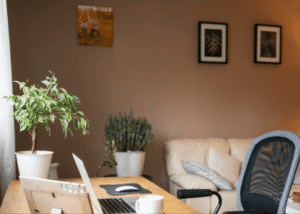 Working from home has become the new norm for many professionals, but setting up a home office that actually supports your productivity is more than just having a desk and chair. Your workspace should motivate you, keep distractions at bay, and make your workday smoother and more enjoyable.
From lighting to layout, your home office can either help you thrive or leave you feeling sluggish and uninspired. Here’s how to design a home office that works for you and not against you.
1. Choose the right location
Not all homes come with a spare room waiting to be transformed into an office. That’s okay. What matters is choosing a location that minimizes distractions and sets a clear boundary between work and personal life.
If you can, avoid setting up in high-traffic areas like the kitchen or living room. Instead, look for quiet corners with good natural light. A nook in the bedroom, an underused dining area, or even a converted closet can work wonders.
Once you settle on a location, treat it as your designated work zone. Even a small, clearly defined space can help you mentally shift into work mode each day.
2. Invest in furniture that works for you
You don’t need to spend a fortune, but you do need furniture that’s comfortable, practical, and suited to your workflow.
Start with a chair that supports your posture. Sitting for hours at a time on a kitchen stool or slouched on the couch will wreak havoc on your back. A supportive, adjustable chair paired with a desk at the correct height can dramatically improve your comfort and focus.
Consider how you work: Do you spread out papers? Use multiple screens? Need easy access to filing or supplies? Your desk should accommodate these habits. Shelves, drawers, or rolling carts can help keep things tidy and within reach.
3. Prioritize natural light and smart lighting
Lighting has a powerful effect on your energy levels and mood. A dark, poorly lit space can leave you feeling tired or even anxious.
If possible, position your desk near a window to take advantage of natural daylight. Not only does this boost your mood, but it can also help regulate your sleep cycle, especially if you’re spending long hours indoors.
For darker spaces or evening work, make sure your lighting setup is up to the task. A mix of ambient lighting and a focused desk lamp works best. Avoid harsh overhead lights or too-dim bulbs that can strain your eyes.
4. Create a visually inspiring environment
The aesthetics of your workspace matter more than you might think. A well-designed space isn’t just nice to look at. It can also fuel creativity and help you stay focused.
This doesn’t mean you need a complete office makeover. A few thoughtful touches go a long way. Add some greenery. A low-maintenance plant, like a snake plant or pothos, can bring life to your space. Use color strategically: soft blues and greens promote calm, while yellows can spark energy and focus.
And of course, don’t forget the walls. Art can inspire, energize, and personalize your workspace. A collection of watercolor pieces from the GOAT wall art can be the perfect addition. These soft, expressive prints bring a sense of calm and sophistication to any home office setup, all while reflecting your unique style.
5. Keep it organized and clutter-free
Clutter is the enemy of productivity. Piles of paper, tangled cords, and scattered supplies don’t just look messy; they can actually stress you out and slow you down.
Start by identifying the tools and materials you use daily. These should be easy to access. Everything else? Store it away. Use organizers, bins, and labels to create a system that works for you. Wall-mounted shelves can free up desk space, while cable clips or trays keep cords from turning into a jungle.
Make it a habit to tidy up at the end of each workday. Even a quick five-minute reset helps you start fresh the next morning, without distractions waiting for you.
6. Add personal touches without overdoing it
Your office doesn’t have to look sterile or cookie-cutter. In fact, personal touches can make your space more welcoming and help you feel grounded during stressful workdays.
The key is to strike a balance. One or two framed photos, a small collection of books, or a favorite mug can make your workspace feel truly yours. Just be mindful of how much is too much. Visual clutter can be as distracting as physical clutter.
Aim for a few meaningful pieces that reflect your personality without overwhelming the space.
7. Set boundaries with the rest of your home
Creating a productive workspace isn’t just about the physical space; it’s also about managing your time and boundaries. When your office is just steps away from your kitchen or bedroom, it’s easy for work to bleed into your personal life.
Communicate with anyone you share your space with. Let them know your working hours and ask for minimal interruptions during those times. Use signals like a closed door or a “do not disturb” sign to reinforce boundaries.
And just as you start your workday with intention, end it with a clear routine. Shut down your computer, step away from your desk, and mentally switch off from work.
8. Make comfort a priority
Comfort doesn’t mean laziness. It means creating a space where your body and mind can stay focused for hours without fatigue.
Temperature is a big one. If your office gets too warm or too chilly, your focus will suffer. Use fans, space heaters, or window shades to control your climate.
Don’t overlook noise levels either. If you’re easily distracted by background sounds, noise-canceling headphones or a white noise machine can help.
And of course, take breaks. No matter how well-designed your space is, sitting for hours on end isn’t healthy. Stand up, stretch, or take a walk. It helps your body and gives your brain time to reset.
Final thoughts
Your home office should be a space that supports your goals, enhances your focus, and reflects your personality. It doesn’t have to be perfect; it just needs to work for you.
By focusing on comfort, lighting, organization, and a few personal touches, you can build a workspace that makes working from home feel less like a chore and more like a lifestyle choice. A few small changes really can make a big impact on your productivity and well-being.
And remember, the best home offices are not only functional but also inspiring. Surround yourself with things that motivate you, from smart lighting to calming artwork. You’ll find that the right setup doesn’t just help you work better, it helps you feel better too.