

How to finance restaurant equipment in 2025
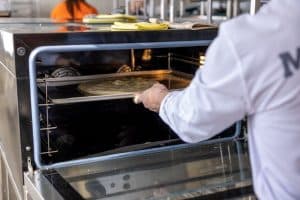
Photo by Sergei Starostin
Financing restaurant equipment can be a struggle. With options ranging from leasing to government incentives, navigating the right choice for your business takes careful planning. Each route offers unique benefits and challenges.
What works best depends on your needs and goals. With that in mind, stick around for practical steps, tips, and real-world math to simplify financing high-ticket back-of-house investments in 2025.
Comparing leasing vs. purchasing equipment
Leasing spreads the cost of equipment over monthly payments, freeing up capital for other needs. It’s a good option if you plan to upgrade often or want flexibility.
Purchasing, on the other hand, requires upfront investment but provides full ownership. This suits long-term use and can add asset value to your balance sheet.
For specialised items like a dry age refrigerator it’s sensible to compare prices on reputable vendor sites, and perhaps consider leasing first to test its utility without major risk. Also, be sure to carefully compare total costs, including maintenance responsibilities and interest rates, when choosing between these options to ensure the best fit for your budget and operations.
Understanding asset-backed lending for restaurant owners
Asset-backed lending lets you secure funding by using equipment or other business assets as collateral. It’s a practical way to access capital, especially for restaurants with valuable items like industrial ovens or refrigeration units.
This option often provides better rates since the lender’s risk is reduced. However, missed payments can lead to losing those assets, so calculate repayment feasibility carefully.
For example, if financing a high-value item like a pizza oven, confirm its projected ROI before borrowing against it. This ensures that monthly repayments align with revenue generated by the new equipment investment. Such precautions are doubly sensible if you are launching a new restaurant and want to plan ahead thoroughly.
Utilising government incentives to fund equipment needs
In 2025, many governments offer grants or tax breaks for businesses upgrading equipment. Energy-efficient appliances often qualify for these programs, reducing both upfront costs and long-term utility bills.
Check local economic development agencies or small business administrations for available funding opportunities. Some incentives may also support the purchase of specialised assets like combi ovens or sous vide machines, which improve operational efficiency. There are also top-level incentives for those in the hospitality sector, like rate relief in the UK, which are worth considering.
Before applying, gather required documentation, including business financials and equipment quotes, to ensure compliance with eligibility criteria. Combining government support with other financing methods can significantly lower the financial burden while modernizing your kitchen operations effectively.
Calculating total cost of ownership (TCO) before financing
Total cost of ownership goes beyond the sticker price, considering expenses like maintenance, energy use, and lifespan. This helps avoid surprises down the line.
For example, a budget-friendly fryer may have higher operating costs than an energy-efficient model over five years. Break costs into categories, including purchase price, utility usage, and repairs, to estimate long-term impact.
When financing items such as a dry age refrigerator or dishwashing system, include interest payments in your TCO calculations. This ensures your decision aligns with both operational needs and profitability goals while preventing hidden expenses from eroding your return on investment later on.
Analysing payback periods on high-ticket kitchen investments
Payback period measures how quickly equipment generates enough profit to cover its cost. Shorter paybacks reduce financial strain and free up resources for growth.
For instance, if a $20,000 combi oven saves $1,000 monthly in labour and utility costs, the payback is just 20 months. Calculate by dividing the total investment by the expected monthly savings or revenue gains.
When financing high-ticket items like a meat curing chamber, factor interest payments into your math to avoid overestimating returns. This simple calculation ensures each purchase contributes effectively to your bottom line without straining cash flow unnecessarily over time.
Final thoughts
Financing restaurant equipment doesn’t have to be daunting. By exploring all options, including leasing, loans, and incentives, you can align your investment with business goals and cash flow needs.
Careful planning, from TCO calculations to payback periods, ensures smart spending. Take time to research and make informed decisions that support long-term success.