

How to fund light equipment without guarantees
Sponsored content. This article was supplied by a third party and Business Money has been paid to publish it.
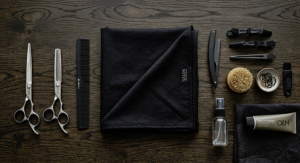
Image source: Google Gemini
Small- to medium-sized enterprises can finance essential light equipment and high-turnover consumables without signing personal guarantees by leveraging revenue-based structures, B2B buy-now-pay-later arrangements, trade credit, and invoice-asset-backed financing. Funding small-ticket tools under 10,000 USD rarely requires putting your personal house or assets on the line if you structure the procurement through your operating cash flow or uncollected customer invoices.
Most business owners assume that every commercial loan requires a personal guarantee. There are small business loans with no personal guarantee that specifically rely on your enterprise cash flow and trade equity rather than your personal balance sheet.
The financial framework for light tool financing
Light equipment sits in a distinct operational category between heavy machinery and everyday office supplies. It covers items such as salon implements, specialized shop machinery, testing gear, and durable shop apparel that directly generate revenue but have low individual resale values.
Funding these items without personal exposure requires segmenting your costs cleanly between capital expenditure (capex) and operational expenditure (opex). Capex assets amortize over multiple years, whereas opex items sit directly on your income statement and clear within the current fiscal cycle.
When you fund small-ticket tools, treating them as flexible opex preserves your cash reserves. Matching the financing term strictly to the tool’s operational lifespan keeps your working capital intact without incurring long-term liability.
Four non-PG financing pathways for small-ticket tools
Securing business growth means choosing financing routes that insulate your personal equity from operational liabilities. You have four clear paths to fund tools and light equipment based on existing cash flow and trade relationships.
Vendor credit and trade terms
Direct vendor lines represent the most accessible form of non-personal guarantee financing available to established service businesses. Suppliers often grant net-30, net-60, or net-90 credit terms once you establish a reliable purchase history.
The vendor relies on your transaction history rather than a personal credit check. You acquire the operational tools today and settle the balance with cash generated from customer service during the billing window.
When managing a high-volume service business, such as a commercial salon or spa, swift access to crucial tools is a priority. Procurement teams focus on standardizing key assets like lightweight cutting capes built professionally to minimize replace-and-repair cycles while lowering the long-term cost per client service. Simple credit setups are beneficial in this context.
B2B buy now, pay later (BNPL) and corporate purchase cards
Modern financial technology providers offer short-term financing tailored specifically for business procurement. B2B BNPL options break small-ticket equipment purchases into manageable weekly or monthly installments with transparent fee structures.
Corporate purchase cards function similarly, providing short-term revolving limits tied directly to your corporate bank balance. These cards issue spending limits based on monthly revenue velocity, keeping your personal credit file completely untethered from corporate debt.
Invoice financing and asset-backed lines
If your business has outstanding customer invoices, you can convert those receivables into immediate funds for tool procurement. Invoice financing and asset-backed lines allow lenders to advance up to 90 percent of your unpaid invoice value without requiring personal collateral.
The lender secures the debt using your verified commercial receivables as collateral. This structure operates solely on B2B settlement performance, providing you with immediate liquidity to acquire essential tools while eliminating personal risk.
Government-backed loan guarantee programs
Federal and regional development programs frequently back loans to help small enterprises grow without risking owner assets. Under structured-setup frameworks, programs such as government debt guarantee initiatives provide institutional guarantees to participating lenders on behalf of the business.
These programs underwrite a significant percentage of the loan risk. This backing allows financial institutions to extend debt terms for tools and light operational assets without requiring the owner to pledge personal assets.
Modeling payback and service yield per unit
Calculating payback periods for light equipment prevents cash drag on daily operations. To determine whether a piece of equipment justifies its non-PG financing costs, calculate the net revenue generated per service unit against the monthly financing obligation.
For example, if a tool costs 1,200 USD on net-60 vendor terms and enables 15 additional client services per month at a net profit of 40 USD per service, the payback period is exactly two months. This quick payback aligns perfectly with short-term trade terms, completely funding the gear before the invoice falls due.
Standardizing procurement and vendor negotiation strategy
Negotiating strong vendor terms is the most reliable way to maintain access to non-PG equipment. Suppliers care primarily about inventory turnover and consistent reorders, which gives you leverage to negotiate payment terms alongside bulk-pricing discounts.
Before negotiating, establish precise specifications for high-turnover consumables and light equipment to ensure you buy durable gear that survives heavy commercial use. Standardizing your inventory reduces procurement overhead and gives you a clear baseline for negotiating net terms with distributors.
Presenting suppliers with consistent order volumes allows you to request net-60 terms instead of upfront payments. Most vendors will grant no-guarantee terms to secure your recurring order flow.
Mitigating risk through seasonal payment structuring
Flexing your repayment schedule around seasonal revenue peaks keeps non-guaranteed financing manageable throughout the year. Many business owners assume equipment loans require rigid monthly payments, but specialized lenders often offer skip-payment or step-up options tied directly to historical seasonal volume.
During slower quarters, your required payment drops to align with lower cash inflows, then ramps back up when customer demand surges. Negotiating seasonal adjustments up front converts a fixed operational expense into a variable cost that moves in tandem with your revenue.
Managing light equipment portfolios and reinvestment
Building a resilient business requires balancing tool performance with clear financial boundaries. To maintain operational efficiency without risking personal liabilities, you must audit tool wear cycles quarterly to retire aging equipment before service breakdowns occur, maintain dedicated reserves equal to one month of trade credit obligations to cover cash flow dips, and reinvest operational efficiency savings directly into cash purchases of small tools over time.
Executing this structured approach turns equipment procurement from a personal liability into a self-sustaining cash engine. You protect your personal balance sheet, maintain healthy cash reserves, and keep your business fully equipped for continuous growth. Check out our other posts on business money matters to improve your financial foundations.