

How to successfully furnish and organise an office
Sponsored content. This article was supplied by a third party and Business Money has been paid to publish it.
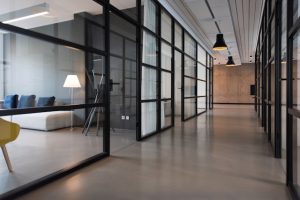
Photo by Nastuh Abootalebi on Unsplash
Introduction
Designing and furnishing an office is far more than a matter of placing desks and chairs in a room. A well-planned workspace can significantly influence productivity, employee satisfaction, and overall business efficiency. Whether you are setting up a small home office or organising a large corporate environment, thoughtful planning and attention to detail are essential. In this article, we will explore how to successfully furnish an office in a way that is practical, comfortable, and conducive to effective work.
Planning the space before you buy anything
The first step in furnishing an office is careful planning. Before purchasing any furniture or equipment, it is important to assess the available space and understand how it will be used. Consider how many employees will be working in the area, what kind of tasks they will perform, and whether collaboration spaces are needed.
A floor plan can be extremely helpful at this stage. By mapping out where desks, storage units, meeting tables, and communal areas will go, you can avoid overcrowding and ensure that movement through the office remains smooth and logical. It is also wise to consider natural light sources and electrical socket locations, as these will influence desk placement and equipment setup.
Choosing functional and comfortable furniture
Once the planning stage is complete, the next step is selecting furniture that supports both comfort and productivity. Ergonomic chairs are essential, as employees may spend many hours sitting each day. Adjustable chairs with proper lumbar support can reduce fatigue and prevent long-term health issues.
Desks should be spacious enough to accommodate computers, documents, and other necessary tools without feeling cluttered. Height-adjustable desks are becoming increasingly popular, as they allow employees to alternate between sitting and standing throughout the day.
Storage solutions are equally important. Filing cabinets, shelving units, and mobile pedestals help keep the workspace organised and free from unnecessary clutter. A tidy environment not only looks more professional but also improves focus and efficiency.
When sourcing office supplies and furniture, many businesses turn to suppliers such as Viking Direct Ireland, which offers a wide range of practical and affordable office essentials suitable for both small and large organisations.
Creating a productive layout
The layout of an office plays a crucial role in how effectively people work. Open-plan offices encourage communication and collaboration, while private offices or meeting rooms provide quiet spaces for focused tasks and confidential discussions. A balanced combination of both is often the most effective approach.
It is also important to consider workflow when arranging the space. Teams that frequently work together should be seated near one another to reduce unnecessary movement and improve communication. At the same time, care should be taken to avoid excessive noise and distraction in shared environments.
Walkways should be kept clear and wide enough to allow easy movement between areas. Overcrowding furniture can make the office feel cramped and stressful, which can negatively impact productivity.
Lighting, colour, and atmosphere
Lighting is a key factor in creating a comfortable working environment. Natural light is ideal, as it boosts mood and energy levels, so desks should be positioned near windows where possible. In areas where natural light is limited, high-quality artificial lighting should be used to prevent eye strain.
Colour schemes also influence workplace atmosphere. Neutral tones such as white, grey, and beige create a calm and professional environment, while subtle accents of colour can add personality and vibrancy. For example, blue tones can encourage focus, while green can create a sense of balance and relaxation.
Adding plants to the office is another simple yet effective way to improve the environment. They enhance air quality and contribute to a more pleasant and welcoming atmosphere.
Technology and organisation
Modern offices rely heavily on technology, so it is essential to plan for it from the outset. Cable management systems help keep wires organised and reduce visual clutter, while adequate power outlets and charging stations ensure that devices remain functional throughout the day.
Digital tools should also be integrated into the workflow wherever possible. Cloud storage, communication platforms, and project management software can significantly improve efficiency and reduce reliance on physical paperwork.
Conclusion
Successfully furnishing an office requires a combination of careful planning, practical furniture choices, and attention to environmental factors such as lighting and layout. By focusing on comfort, functionality, and organisation, you can create a workspace that supports productivity and well-being. Whether you are designing a new office from scratch or upgrading an existing space, thoughtful decisions at every stage will lead to a more efficient and enjoyable working environment.