

Industrial operations support: 5 proven ways to boost efficiency
Sponsored content. This article was supplied by a third party and Business Money has been paid to publish it.
Keeping industrial operations running smoothly
What is modern industrial operations support?
At its core, industrial operations support encompasses a suite of specialized services designed to optimize the performance, efficiency, and safety of manufacturing plants and industrial facilities. It moves beyond simply fixing what’s broken, focusing instead on proactive strategies, advanced analytics, and strategic partnerships to ensure continuous improvement and resilience. This comprehensive approach is vital for industries ranging from energy and chemicals to metals and food & beverage, helping them navigate complex operational challenges and achieve sustained growth.
Unlike traditional operations and maintenance (O&M) services, modern industrial operations support adopts a more holistic and integrated perspective. It often involves embedding expert teams directly into customer operations, providing hands-on assistance, and leveraging specialized knowledge to enhance asset management and overall operational phase performance. Providers like thyssenkrupp Uhde offer Operations Management Assistance to support the entire lifecycle of industrial process plants, while AFRY extends Operational phase (OPEX) services for process industries, integrating local expertise with global technological know-how.
Defining the scope of operations support
The scope of modern operations support is expansive, covering everything from strategic studies to daily operational assistance. It includes comprehensive lifecycle support, ensuring plants are not only running efficiently but are also prepared for future demands and challenges. This often involves detailed plant engineering services, from conceptual design through commissioning support, ensuring that new facilities are ready for optimal performance from day one. Many companies rely on 24/7 industrial operations support to maintain continuous uptime and address unforeseen issues swiftly, highlighting the critical nature of responsive and skilled assistance. The breadth of these services is further exemplified by providers offering extensive Operations & Maintenance solutions that cover everything from asset performance improvement to turnarounds and shutdowns.
How support differs from traditional O&M
The distinction between traditional O&M and modern operations support is crucial. While traditional O&M primarily focuses on reactive maintenance and basic upkeep, modern operations support is characterized by its proactive, data-driven, and strategic nature.
Feature Traditional O&M Modern Industrial Operations Support Approach Reactive, scheduled, preventative maintenance Proactive, predictive, prescriptive, strategic optimization Focus Equipment uptime, basic repairs, cost control Overall plant performance, efficiency, safety, risk, compliance, innovation Technology Use Limited, manual data collection Extensive (AI, IoT, data analytics, digital twins), automation Decision-Making Rule-based, experience-driven Data-driven insights, predictive analytics, continuous improvement Scope Isolated to maintenance tasks Integrated across operations, supply chain, workforce, and technology Goal Keep assets running Optimize entire operational ecosystem for strategic advantage This shift means moving beyond simply maintaining equipment to strategically optimizing every aspect of an industrial operation. For instance, instead of waiting for equipment to fail, modern support leverages predictive analytics to anticipate issues, minimizing downtime and maximizing productivity. NAES, for example, emphasizes Operations & Maintenance (O&M) Support Services that focus on fundamental operational excellence, customized solutions, and cost efficiency, ensuring plants run safely, reliably, and effectively.
Key pillars of industrial operations support services
Modern industrial operations support is built upon several interconnected pillars, each contributing to the overall resilience and efficiency of a facility. These services extend beyond the factory floor, touching upon everything from intricate machinery maintenance to ensuring a skilled workforce and a seamless supply chain.

Core components of industrial operations support
The foundational elements of industrial operations support involve comprehensive asset performance management and optimizing plant operations. This includes expert consulting to identify inefficiencies, implement lean practices, and conduct targeted training to boost operational efficiency. Specialized providers, like the IOMES Group – Expertise boosting operations performance of the heavy industry, focus on maximizing profit through operations optimization, often deploying expert teams to work alongside plant personnel. Similarly, ChemXpro offers Operations Support – ChemXpro with practical, on-site assistance from experienced engineers, ensuring clarity and control in complex operational environments. These services are critical for maintaining advanced facilities, including consistent industrial maintenance that meets stringent standards of care, as seen in metropolitan areas like Industrial Maintenance in Atlanta, GA.
Supply chain logistics and fleet fuel delivery
Efficient supply chain logistics are paramount for industrial operations, especially when it comes to critical resources like fuel. Modern operations support increasingly includes sophisticated solutions for fleet fuel delivery, ensuring that heavy machinery, generators, and transportation fleets never run on empty. On-site fueling services, for example, bring fuel directly to equipment, minimizing downtime and optimizing operational flow. Providers like FuelSource offer comprehensive solutions, including being a leading FuelSource North Georgia DEF supplier, which is crucial for modern diesel engines. Understanding the nuances of these services is essential, as detailed in resources like The Essential Guide to On-Site Fleet Fueling and DEF Delivery and the Ultimate Guide to On-Site Fueling for Fleets. These guides highlight how integrated fuel management, from delivery to DEF supply, significantly impacts operational continuity and cost efficiency.
Workforce training and skills shortage solutions
One of the most pressing challenges facing industrial operations today is the global workforce challenges, particularly skills shortages. With 83% of manufacturers citing analytical thinking and communication/teamwork as crucial recruitment factors, addressing these gaps is a key component of modern operations support. Providers often step in to offer specialized training, upskilling existing teams, and even providing staffing solutions. This can range from direct placement services by a Staffing Agency in Marietta GA – Impact Staffing to broader recruitment efforts to Find & Apply to Jobs in Decatur, Georgia – Randstad USA. By investing in continuous learning and development, companies can build a more competent and adaptable workforce, ensuring long-term operational success.
Leveraging technology for operational excellence
The rapid pace of technological advancement is fundamentally reshaping industrial operations. Digital transformation is no longer optional; it’s a necessity for competitive survival and achieving strategic objectives. Modern industrial operations support heavily relies on cutting-edge technologies to drive efficiency, enhance decision-making, and create more resilient systems.

AI, IoT, and digital twins in action
The integration of artificial intelligence (AI), the Internet of Things (IoT), and digital twins is revolutionizing how industrial facilities operate.
- AI and machine learning: These technologies power predictive maintenance, allowing systems to anticipate equipment failures before they occur. By analyzing vast datasets from sensors and operational history, AI algorithms can identify subtle patterns indicative of impending issues, enabling proactive interventions. This minimizes unscheduled downtime and optimizes maintenance schedules.
- IoT: A network of interconnected sensors and devices, IoT collects real-time data from every corner of the factory floor. This constant stream of information provides unprecedented visibility into operational performance, asset health, and environmental conditions. It forms the backbone for data analytics, feeding the intelligence needed for AI-driven insights.
- Digital twins: These virtual replicas of physical assets, processes, or entire facilities allow for real-time monitoring, simulation, and analysis. Engineers can test changes, predict outcomes, and optimize performance in a virtual environment before implementing them in the physical world. This capability is crucial for complex systems, enabling autonomous operations and continuous improvement. For instance, understanding Everything You Need to Know About Your Fleet Fuel Dashboard can provide a microcosm of how digital visibility and data analytics transform a critical operational component.
The synergy of these technologies allows for greater automation, enhanced precision, and the ability to respond dynamically to changing conditions. This is evident in areas like Warehouse Automation & Robotics in Atlanta Metro, GA – Wolter Inc., where robotics and automated systems are integrated to streamline logistics and improve efficiency.
Strategic advantages of industrial operations support
Implementing robust industrial operations support, especially when powered by advanced technology, yields significant strategic advantages:
- Risk mitigation: By identifying potential failures and hazards proactively, operations support significantly reduces the risk of accidents, equipment breakdowns, and costly production delays. This includes expert assessments for new factory setups, as seen with a major battery manufacturer needing a detailed safety assessment for new technology, going beyond basics to promote tailored safe work practices.
- Improved safety: Data-driven insights and AI-powered monitoring contribute to a safer working environment. Predictive analytics can flag equipment that poses a risk, while digital twins can simulate hazardous scenarios for training without putting personnel in danger. Occupational health risk assessments are also vital in manufacturing settings to protect employee well-being.
- Regulatory compliance: Staying compliant with an ever-evolving landscape of regulations (e.g., for chemicals, environmental standards) is a major challenge. Operations support providers often have deep expertise in navigating these complexities, ensuring that facilities meet all necessary standards and avoid penalties.
- Enhanced productivity and uptime: By minimizing unexpected downtime through predictive maintenance and optimizing processes through data analytics, facilities achieve higher productivity and consistent uptime. This directly translates to increased throughput and capacity utilization.
- Cost efficiency: While initial investments in advanced support might seem substantial, the long-term cost savings are significant. Reduced downtime, optimized resource use, lower maintenance costs, and improved energy efficiency all contribute to a healthier bottom line. This makes a compelling case for why Your Business Needs a Reliable Atlanta Fuel Company to manage one of the most significant operational expenses.
These benefits are not merely theoretical. Companies that strategically implement industrial operations support can achieve average cost reductions of 15% on projects and throughput increases of 20%, showcasing the tangible impact on operational performance.
Frequently asked questions about industrial operations support
As industrial operations become more complex, companies often have questions about how best to leverage external expertise. Here, we address some common queries regarding industrial operations support.
What are the main benefits of outsourcing operations support?
Outsourcing industrial operations support offers several compelling advantages over building internal capabilities. Firstly, it provides access to specialized expertise and cutting-edge technologies that might be cost-prohibitive or difficult to develop in-house. External providers often bring a wealth of cross-industry experience and best practices, leading to innovative solutions and accelerated problem-solving.
Secondly, outsourcing can significantly improve cost efficiency. Companies can convert fixed operational costs into variable ones, paying for services as needed rather than maintaining a large, permanent in-house team. This can lead to average cost reductions of 15% on completed projects, as experts optimize processes and reduce waste.
Finally, outsourcing allows companies to focus on their core competencies. By entrusting non-core operational tasks to specialists, internal teams can dedicate their resources to strategic initiatives, product innovation, and market expansion. This strategic reallocation of resources, combined with the higher personnel productivity (over 30% increase with expert teams compared to independent freelancers), makes a strong case for outsourcing. The convenience and reliability of services like Why On-Call Fuel Delivery Is the Secret to Happy Fleet Managers further illustrate how external support can streamline critical functions.
How do support services tailor to different industries?
Industrial operations support is highly adaptable, with providers tailoring their services to meet the unique demands of various sectors. While core principles of efficiency and safety remain constant, the specific applications differ significantly:
- Energy sector: This includes power generation, oil & gas, and renewables. Support focuses on asset integrity management for critical infrastructure, regulatory compliance for emissions, and optimizing energy production efficiency.
- Chemicals: Services address strict safety protocols, hazardous material handling, process optimization for complex chemical reactions, and environmental compliance for waste and emissions.
- Metals: Support targets maximizing throughput in demanding environments, optimizing furnace operations, and implementing advanced maintenance strategies for heavy machinery.
- Food & beverage: Focus areas include stringent hygiene and sanitation standards, quality control, supply chain traceability, and optimizing production lines for perishable goods.
- Manufacturing: From automotive to electronics, support helps with factory automation, quality control, supply chain resilience, and adapting to new production technologies. For example, the growing Manufacturing in Georgia sector, including the new Hyundai battery plant in Bartow County, requires specialized support for advanced processes and safety.
Providers deploy multidisciplinary teams with specific industry knowledge, often integrating scientific disciplines like human factors, health sciences, electrical engineering, and thermal sciences to address sector-specific challenges.
What should companies look for in an operations partner?
Selecting the right industrial operations support partner is a critical decision. Companies should consider several key factors:
- Domain expertise and experience: The partner should have a proven track record and deep understanding of your specific industry and operational challenges. Look for teams with extensive hands-on experience, not just theoretical knowledge.
- Technological capabilities: Assess their proficiency in leveraging advanced technologies like AI, IoT, digital twins, and data analytics. Do they offer solutions that align with your digital transformation goals?
- Safety and compliance record: A strong commitment to safety and a robust understanding of regulatory compliance are non-negotiable. The partner should help you mitigate risks and ensure adherence to all relevant standards.
- Customization and flexibility: Avoid one-size-fits-all solutions. A good partner will tailor their services to your unique needs, offering flexible engagement models (e.g., interim, on-call, long-term).
- Scalability and global reach: If your operations are extensive or growing, ensure the partner can scale their services and provide support across multiple locations, potentially even globally.
- Transparency and communication: Look for a partner that offers clear communication, transparent reporting, and collaborative engagement. This includes regular meetings and interactive dashboards for progress monitoring.
- Workforce development: A partner that also helps address workforce challenges through training and upskilling programs adds significant long-term value. This can be crucial in an environment where finding skilled Operations Manager Jobs, Employment in Canton, GA – Indeed is increasingly competitive.
Conclusion
The journey towards operational excellence in the industrial sector is continuous, demanding adaptability, innovation, and strategic foresight. In June 2026, the landscape is defined by rapid technological advancements and evolving challenges, making robust industrial operations support more critical than ever. By embracing this modern approach, companies can transform their operations from mere cost centers into strategic advantages, achieving higher margins, increased throughput, and superior uptime.
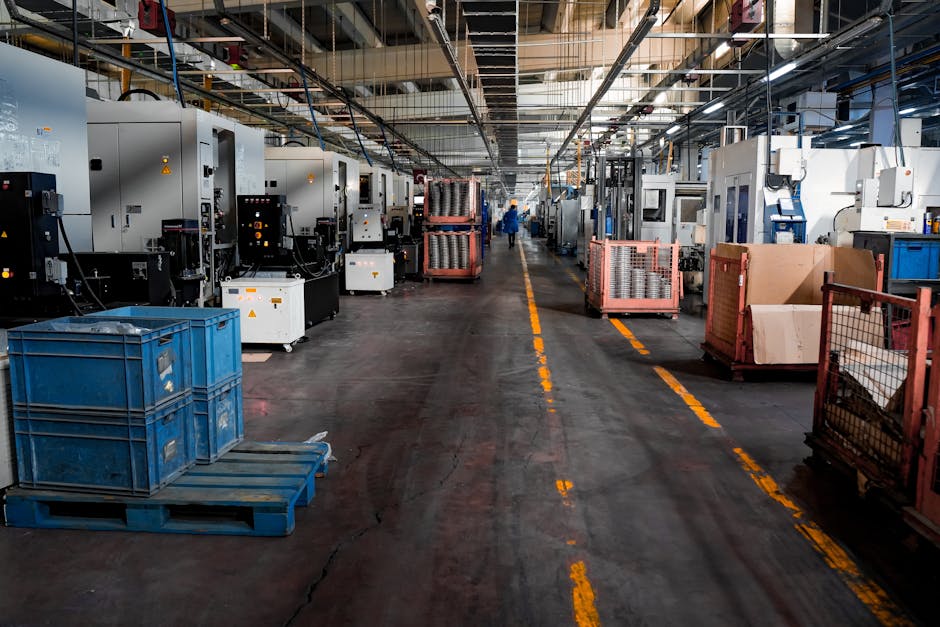
The integration of advanced technologies like AI, IoT, and digital twins, coupled with expert human oversight, empowers businesses to mitigate risks, ensure safety, and comply with complex regulations. Furthermore, strategic partnerships for critical services, including specialized On-Site Fueling and comprehensive workforce solutions, enable organizations to overcome skills shortages and focus on their core mission.
Investing in sophisticated industrial operations support is an investment in operational certainty and continuous improvement. It’s about creating resilient, agile, and sustainable production environments that are ready for the future.