

Key factors to consider when purchasing multiple leisure vehicles
Sponsored content. This article was supplied by a third party and Business Money has been paid to publish it.
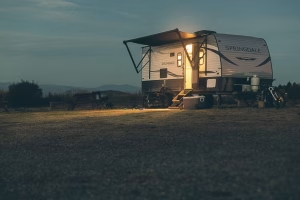
Credit: Unsplash
Buying more than one leisure vehicle sure is exciting. However, at the same time, it also requires you to make serious decisions.
Globally, as Grand View Research notes, the recreational vehicle market, as of 2023, is valued at over $65.56 billion. In four years, this market will be worth over $144 billion. By 2030, parts of Europe, including the UK, are expected to register the second-fastest CAGR in this market after North America.
Given how big this market is, it’s easy to see why some people want more than one leisure vehicle, including recreational ones and even boats. However, many buyers rush the process and later struggle with maintenance, storage, or unexpected expenses. That is why understanding a few key factors before purchasing can save you stress and money.
Balancing your budget beyond the purchase price
Most people focus heavily on the upfront cost, but ownership goes far beyond that initial payment. Insurance, fuel, repairs, and registration fees quickly add up across multiple vehicles.
When you own several leisure vehicles, these recurring expenses can double or even triple unexpectedly. It is important to create a realistic monthly and yearly budget before making any purchase decisions. Think about seasonal usage patterns and how often each vehicle will actually be used.
If you want, you could even rent out the vehicle when you’re not using it. For instance, as Travel + Leisure reports, renting out an RV will bring you £113 to £340 per night. Extra expenses, like gas and campground fees, are on the renter, so they are not your headache.
Renting out your leisure vehicles is a great way to bring in a little bit of extra money. A vehicle sitting idle still costs money, even if it brings occasional enjoyment. Being honest about your finances helps you avoid unnecessary pressure later on.
Matching each vehicle to your lifestyle needs
It is easy to fall in love with different types of leisure vehicles without thinking about actual usage. You might want a camper van, a boat, and an ATV, but do you truly need all three?
Consider how often you travel, where you go, and who joins you during those trips. A family with kids may need different features compared to a solo traveler seeking adventure. Each vehicle should serve a clear purpose in your lifestyle, not just an emotional desire.
When every purchase aligns with your habits, you get more value and satisfaction from each experience.
Thinking ahead about storage space and safety
Parking multiple leisure vehicles at home is not always practical, especially in urban or suburban areas. You need to consider space availability, local regulations, and protection from weather conditions. Some owners underestimate how quickly space becomes limited once they expand their collection.
Choosing the right storage option early helps you avoid last-minute stress and logistical issues. Many owners eventually turn to shared solutions that simplify everything under one system. A reliable boat and RV storage facility can handle both types without requiring separate arrangements.
Modern storage facilities often offer boat + RV storage management, making organization easier for busy owners. You will also find options like self-storage for RVs and boats that provide flexible access.
Also, as Copper Storage Management notes, modern storage facilities hand over their management responsibilities to third parties. This, in turn, allows the facilities to function better than ever, especially those that are unmanned or automated. These self-storage management companies ensure that storage businesses run smoothly and the vehicles stored there are fully safe.
Planning maintenance and long-term upkeep
Owning multiple leisure vehicles means managing multiple maintenance schedules, which can become overwhelming quickly. Each type of vehicle requires different care, from engine servicing to cleaning and seasonal preparation.
Boats need regular inspection for water damage, while RVs demand interior and mechanical upkeep. If you neglect maintenance, small issues can turn into expensive repairs over time.
It is wise to plan ahead and set reminders for routine servicing tasks. You may also want to build relationships with reliable service providers who understand your specific vehicles. Consistent upkeep keeps everything running smoothly and protects your investment.
Understanding insurance and legal requirements
Insurance becomes more complex when you own multiple leisure vehicles, especially across different categories. Each vehicle type comes with unique coverage requirements and risk factors that affect your premiums.
Boats, RVs, and off-road vehicles all have different policies and legal expectations. You need to research what coverage is mandatory and what additional protection makes sense for your situation. Some insurers offer bundled packages that reduce costs when covering multiple vehicles together.
It is also important to stay updated on registration and licensing rules in your area. Missing paperwork or coverage can lead to fines or unnecessary complications.
Evaluating depreciation and resale value
Carwow UK notes that new cars lose their highest percentage of value during the first year of ownership. Value drops by roughly 15-35% after one year off the lot. Almost all cars lose value each year, with just a few exceptions.
Leisure vehicles can also lose value over time, and not all of them depreciate at the same rate. Some models hold their value better due to brand reputation, durability, or demand in the resale market.
Before buying, it is smart to research which vehicles perform well over the long term. If your needs change later, you may want the option to sell without taking a major loss.
Keeping your vehicles in good condition also plays a big role in maintaining resale value. Clean interiors, proper maintenance, and documented service history make a big difference. Thinking ahead about resale protects your financial flexibility.
FAQs
What should I look for when buying a campervan?
When buying a campervan, check its mechanical condition, mileage, and service history. Inspect interior layout, storage, and essential features like beds and kitchen areas. Consider fuel efficiency and size, ensuring it suits your travel needs and is comfortable for long trips.
Why do people buy leisure vehicles?
People buy leisure vehicles for freedom, flexibility, and convenience while traveling. They allow road trips without relying on hotels and offer a more personal experience. Many enjoy the comfort of having essential amenities while exploring different places at their own pace.
What’s the best way to maintain a leisure boat?
Impulsive vehicle purchases often fuel buyer’s remorse, while strategic selection fosters long-term satisfaction. The ultimate goal is to align your garage with your lifestyle, choosing the perfect vehicle over a large volume of them. By prioritizing intentionality and deliberate choices, you can curate a collection that elevates your driving experiences and adventures.
Purchasing multiple leisure vehicles can bring incredible freedom, but it also demands careful thought and planning. Each factor discussed above plays a role in shaping your overall experience as an owner.
Impulsive leisure vehicle purchases often fuel buyer’s remorse, while strategic selection fosters long-term satisfaction. The ultimate goal is to align your garage with your lifestyle and curate a collection that elevates your driving experiences and adventures.