

Looking for Korean skincare wholesale?
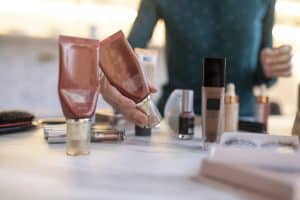 The global demand for Korean skincare has been steadily rising, with consumers valuing innovation, quality ingredients, and visible results. Even in times of economic uncertainty, beauty products remain one of the most resilient retail categories.
For entrepreneurs and retailers looking to tap into this market, Qudo Beauty offers access to Korean skincare wholesale directly from an EU-based supplier, making it easier to stock authentic, in-demand products without import delays. This opens the door to scalable business growth and higher customer retention.
Why Korean skincare is a strong business opportunity
Korean skincare isn’t just a passing trend. It’s a market that’s been growing year after year, and there’s a good reason for it.
According to the numbers, the global K-beauty industry is worth billions and is expected to keep rising. And it’s not just about sales. It’s about who is buying.
You’ve got two big groups:
Younger customers love the social media buzz, cute packaging, and new product drops.
Older customers – they’re into the science, the ingredients, and the fact that it works.
That mix gives you a huge potential audience.
From a business perspective, incorporating Korean skincare into your offerings can help you stand out. These products often have unique formulas, special ingredients like snail mucin or ginseng, and brand stories that people remember.
Why does that matter? Because it’s harder for customers to compare them with what’s already in big chain stores. That means you can keep better margins and build loyalty.
And here’s the thing: once someone finds a product that works for them, they come back. Over and over. That’s steady business.
Key factors when choosing a wholesale supplier
Not all wholesale suppliers are the same. Some will make your life easy. Others… not so much.
If you want to avoid headaches later, here are a few things I always look at before working with one.
Product authenticity & compliance
This is non-negotiable.
If you’re selling in the EU, products need to be CPNP-registered. That’s what keeps you on the right side of the law.
You also want complete ingredient transparency. Customers care about what they put on their skin, and you don’t want to be the one explaining why something isn’t listed.
Tip: If a supplier can’t show you the paperwork right away, that’s a red flag.
Minimum order quantities & flexibility
Minimum order quantities (MOQs) can make or break your cash flow. If a supplier forces you to buy huge quantities, your money is tied up in stock instead of generating returns for you.
I prefer suppliers who let you mix products to reach the MOQ. That way, you can test more items without committing too much to one.
Delivery times & logistics
Speed matters. Stock sitting in customs is stock you can’t sell.
That’s why having stock already in the EU can save you days, sometimes even weeks: no extra duties, no customs delays, just faster turnaround.
Range & brand portfolio
A good supplier gives you variety.
Why? Because customers love choice.
Having a wide range of brands means you can appeal to different tastes and budgets, from affordable daily care to premium skincare lines. Plus, you can rotate stock and keep things fresh without constantly searching for new suppliers.
How to integrate Korean skincare into your business strategy
Adding Korean skincare to your business isn’t just about having more products on the shelf. It’s about making them work for you and becoming a reason customers keep coming back.
Add a new product line to keep customers coming back
Skincare is a repeat purchase. When someone finds a serum or cream they love, they’ll repurchase it. And again. That’s a steady income you can count on. The trick is to get them to try it first. Samples, small bundles, or starter kits are a great way to make that happen.
Cross-sell with what you already have
If you’re already selling beauty products, pairing them is easy. Selling makeup? Offer a Korean cleanser as the perfect “get the look off” option. Selling haircare? Suggest a matching facial mask for a self-care night. Small, logical connections like these make customers see more value in their purchase.
Think about online vs offline
Selling online means a broader audience, but also more competition. Quality product photos, honest reviews, and clear descriptions will help you stand out. In a physical store, the advantage is letting people touch and try the products. Displays, testers, or small events can draw attention and boost sales.
If you do it right, Korean skincare won’t just be another category in your shop, it’ll be one of the main reasons people choose to buy from you.
Examples of trusted wholesale sources
If you’re new to sourcing, it can feel like there are too many options out there. Some are great. Others are… let’s say they’re better avoided.
You’ve got a few main routes:
Direct from manufacturers – usually cheaper per unit, but you’ll need to meet big minimum orders and handle all the import paperwork yourself.
Wholesale distributors – these guys already have stock in your region, which means faster delivery and no customs delays.
Trade fairs and expos – great for meeting brands face to face, but they take time and travel.
For example, Qudo Beauty is an EU-based supplier that focuses on Korean skincare wholesale. Because they keep stock within the EU, delivery is quick and there’s no extra import hassle. That’s a big plus if you’re trying to keep things simple and cash flow steady.
Final thoughts
Trends come and go. But some stick around long enough to become part of the everyday routine. Korean skincare looks like one of those.
If you bring it into your business the right way, it’s not just a “hot product” for a season. It can be a steady revenue stream for years.
The repeat-buy nature of skincare, the wide audience it appeals to, and the variety of products make it a smart move for retailers who think long-term.
The key? Work with reliable suppliers, keep your offer fresh, and always listen to what your customers are asking for.
If you do that, you’re not just chasing the trend, you’re building something sustainable.