

Maximizing ROI: The business case for commercial roof upgrades
Sponsored content. This article was supplied by a third party and Business Money has been paid to publish it.
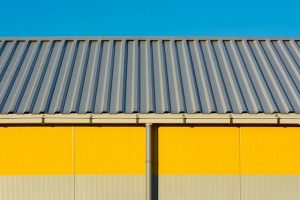
Photo by Jan van der Wolf
Managing a commercial building involves many moving parts. One of the biggest factors is the roof over your head. It protects your inventory, your staff, and your expensive equipment from the elements.
The long-term value of quality materials
Choosing the right materials from the start saves a lot of money over time. Investing in high-quality roofing materials is a smart long-term decision. Materials like TPO, EPDM, or metal offer durability and energy efficiency. These choices reduce repair and replacement costs in the future.
Modern roofs act as a shield for your entire business operation. When you pick a cheap material, you often pay for it later in leaks and high energy bills. Better systems reflect heat away from the building. This keeps your cooling costs low during the hottest months of the year.
Meeting strict energy standards
New laws are changing how we look at rooftops. Many owners look for roof replacements to stay ahead of these legal requirements. Modern standards require specific reflective properties to keep buildings cool. California’s 2025 Title 24 standards require low-slope commercial roofs to meet a three-year aged solar reflectance of at least 0.55. They also look for thermal emittance above 0.75 or a Solar Reflectance Index of 64.
Compliance is not just about avoiding fines. It is about making your building as efficient as possible. These standards push the industry toward better technology. Using these tools helps you lower your carbon footprint and save on monthly overhead.
Shifting to predictive maintenance
Reactive repairs often cost more than planned work. This shift from reactive repair to predictive maintenance can cut roof-related downtime by 40-60%. This is a compelling number for warehouses, data centers, and healthcare facilities where every hour of operation matters.
Monitoring the health of your roof helps you find small issues early. A small crack is easy to fix. Waiting until it becomes a massive leak can shut down your entire production line. Predictive care keeps your business running without any surprise interruptions.
Market growth and future projections
The industry is seeing massive growth right now. The commercial roofing market size is expected to reach $22.59 billion by 2034. It starts from a base of $13.68 billion in 2025. Business owners are clearly seeing the value of these upgrades.
Growth in this sector shows that companies are taking their infrastructure seriously. They are moving away from temporary fixes. Instead, they are putting money into systems that last for decades. This shift helps protect the bottom line for the long haul.
The financial impact of popular membranes
Different systems offer different returns on investment. Single-ply membranes, specifically TPO and PVC, dominate with a 47.12% share. PVC is projected to record the highest growth rate of 7.14% through 2032.
Popular commercial roofing options
- TPO (Thermoplastic Polyolefin) for high reflectivity.
- PVC (Polyvinyl Chloride) for chemical and grease resistance.
- EPDM (Ethylene Propylene Diene Terpolymer) for extreme weather.
- Metal roofing for long-term lifespan and recyclability.
These membranes are popular because they work well in many climates. They are easy to install and provide a solid seal against rain and snow. Choosing the right one depends on your specific building needs and local weather patterns.
Extending the life of your asset
You might not always need a brand-new roof to get results. A quality restoration can extend your roof’s lifespan by 10-20 additional years. This is often 50-70% less cost than a complete replacement at 2024 pricing.
Restoration involves applying a coating over your existing roof. This creates a seamless barrier that stops leaks and adds UV protection. It is a faster process than a full tear-off. It also keeps old roofing materials out of the local landfill.
Managing risk and liability
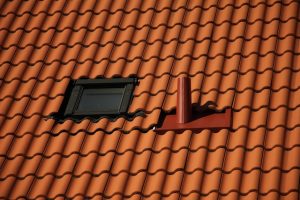
Photo by John Kinnander on Unsplash
Safety has a direct impact on the bottom line. Falls, electrocutions, and other roofing-related injuries are projected to cost $2.8 billion in medical and comp expenses by 2027. Upgrading to safer, more stable systems reduces these risks.
Older roofs can become brittle or soft in certain spots. This creates a hazard for any worker who needs to go up there for HVAC repairs. New systems are built to be walked on and maintained safely. Keeping your roof in good shape protects everyone who works on your property.
Consumer demand for sustainability
People care about the environmental footprint of your building. 45% of homeowners said they would pay a 10-15% premium for roofing products proven to reduce energy use or carbon impact. This trend carries over into the commercial world as well.
Clients and tenants look for green buildings. A sustainable roof can be a major selling point for your facility. It shows that your business cares about the future. It also provides a better environment for the people inside the building.
Thinking about your roof as an asset rather than an expense changes the game. It is about more than just stopping leaks. It is about energy savings, tax benefits, and long-term property value. When you look at the data, the business case for an upgrade is clear. Taking action today keeps your operations running smoothly for years to come.