

Plumbing features every business should keep updated
Sponsored content. This article was supplied by a third party and Business Money has been paid to publish it.
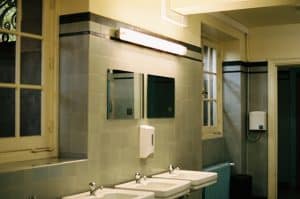
Photo by Buchen WANG on Unsplash
Customers and staff expect clean restrooms, steady hot water, and drains that clear fast. Building teams hit those marks when they prioritize the right fixtures and service routines. The payoff shows up in fewer outages, lower water bills, and better inspection results.
Backflow prevention and safe building water
Modern backflow assemblies protect occupants and protect brand reputation. Restaurants, clinics, gyms, and schools run multiple water-using devices that can create cross-connection risks. A strong program pairs annual testing with timely repairs and records that pass audits. Facilities with complex piping should add a water management plan that maps devices, sets temperature targets, and spells out sampling points. Public health guidance highlights the need to control Legionella within building water systems, with CDC toolkits walking teams through plan design, monitoring, and corrective action. Hot water setpoints, dead leg removal, and fixture flushing belong in that plan. Teams that keep logs and act on trends reduce complaints and avoid service disruptions linked to water quality issues.
Drainage, grease control, and jetting access
Kitchen lines, prep sinks, and floor drains collect fats and food particles that harden and choke flow. Businesses that move volume through small-diameter lines need a clear cleaning path and a reliable schedule. Many property managers schedule quarterly service with drain cleaning & hydrojetting experts, then add quick enzyme maintenance on staff checklists to keep soft buildup from turning into a blockage. Technicians use cleanouts to jet lines from both directions, break up scale near turns, and restore full pipe diameter. Food-service sites benefit from right-sized grease interceptors and documented pump-outs that match kitchen production. Retail and office buildings see fewer backups when janitorial teams strain mop buckets and dump to approved sinks. A short response window, clear site maps, and labeled cleanouts help an emergency crew get water moving before guests even notice the issue.
Restroom fixtures, sensors, and water efficiency
Outdated flushometers and faucets waste water and create service tickets. A restroom upgrade that swaps in WaterSense-labeled flushometer-valve toilets and metered or sensor faucets can cut consumption and improve reliability. The WaterSense program maintains commercial guidance and product lists that help managers pick proven models. Lower flush volumes, smart valves, and aerators reduce utility loads without hurting user experience. Teams should verify pressure, adjust valves to manufacturer specs, and log parts used so future repairs move faster. The EPA’s commercial buildings guidance lays out the business case for water-efficient fixtures, making the upgrade a budget-friendly project with quick payback in high-traffic sites.
Leak detection, submetering, and real-time alerts
Hidden leaks drain profits and invite damage. A well-run program combines monthly utility reviews with submeters for restrooms, kitchens, and irrigation. Smart meters and flow sensors can flag anomalies within minutes, which lets a tech isolate the zone and fix the problem before drywall or flooring needs replacement. News coverage shows the scale of losses that aging systems create, with some cities losing staggering volumes of treated water each year; that context reinforces the value of vigilant maintenance inside private buildings. Staff walk-throughs should include ceiling checks below restrooms, dye tests in tanks where applicable, and quick looks at water heater pans.
Hot water, tempering, and emergency fixtures
People notice water temperature problems before they file any other restroom complaint. Facilities keep outlet temperatures safe and comfortable with mixing valves that hold steady under variable demand. Shops that handle chemicals or debris need plumbed eyewash stations and safety showers that deliver tepid water on demand. OSHA references the ANSI/ISEA Z358.1 standard, which calls for at least 0.4 gallons per minute for eyewash units and a tepid range of roughly 60 to 100 degrees Fahrenheit for sustained flushing. Maintenance teams should test activation weekly, document results, and clear access paths around stations. Water heaters serving these fixtures need regular descaling where hardness runs high, and thermostatic mixing valves deserve inspection so relief checks and strainers do their job.
Fire protection, water interfaces, and routine ITM
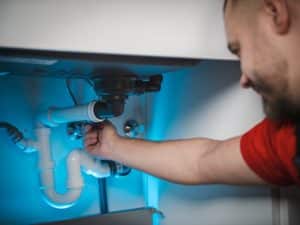
Photo by Timur Shakerzianov on Unsplash
Sprinklers, standpipes, and fire pumps sit at the heart of life safety. The plumbing team plays a role when testing fire department connections, monitoring valves, and coordinating drain-downs for repairs. NFPA 25 sets the baseline for inspection, testing, and maintenance across water-based systems, and trade groups summarize major tasks in plain language for facility teams. Clear tags, valve charts, and up-to-date impairment plans help crews move fast during scheduled work and during emergencies. A consistent ITM calendar supports AHJ compliance and keeps tenants and customers in safe, open buildings. The same mindset that drives restroom and drainage upgrades—inspect, document, correct—applies here with even higher stakes.
Strong plumbing programs start with risk and work toward reliability. Update fixtures, protect water quality, and keep drains clear with predictable service. With records that show what you checked and when you fixed it, your building stays ready for guests, employees, and inspectors.