

The hidden infrastructure behind online trading platforms
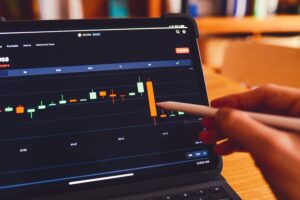 The flawless flow of online trading gives the impression that everything is happening seamlessly, although orders are processed in a matter of seconds and data is streamed continuously. In reality, however, this illusion is built on an incredibly sophisticated and resilient piece of technology infrastructure. This advanced system demonstrates the excellence of modern engineering. It has been intricately built to ensure faultless handling of enormous amounts of data and streams over an extended period of time.
Technology infrastructure
Technologies provided by SOFT-FX ensure scalability and performance. This serves as a perfect example of modern engineering by demonstrating how these systems afford brokerage operations high efficiency while meeting the strict demands for scalability and performance. Any online trading platform offers traders unique opportunities to exploit complex market activities using a wide range of assets employing multi-functional trading tools. The offering comes with conglomerate components such as telecoms satellite equipment or other base units embodying high-end servers, along with other specified network pieces served within global dedicated data hubs.
Beyond the hardware, a complex array of software systems works in concert. A crucial component is the matching engine, the core system that pairs buy and sell orders. This engine must operate with unparalleled speed and accuracy, processing millions of orders per second without error. Supporting the matching engine are Order Management Systems (OMS) and Execution Management Systems (EMS), which handle the lifecycle of an order from its initiation by the trader to its final execution. These systems manage various order types, route orders to the most appropriate liquidity venues, and provide real-time updates to traders.
Data infrastructure
Data is the lifeblood of online trading. Market data feeds deliver real-time price quotes, order book depth, and news directly to trading platforms. The infrastructure must be capable of ingesting, processing, and distributing this massive influx of data with minimal delay. This often involves sophisticated data streaming technologies and distributed databases designed for high-throughput and low-latency access. The ability to quickly analyze vast datasets is increasingly important, with many platforms leveraging advanced analytics and even artificial intelligence to provide traders with deeper insights.
Application Programming Interfaces (APIs) play a pivotal role in connecting various components of the trading ecosystem. They enable different software applications to communicate seamlessly, allowing for integrations with liquidity providers, payment gateways, CRM systems, and other third-party services. This modular approach enhances flexibility and allows platforms to adapt quickly to evolving market demands and introduce new features.
The rise of cloud computing has also significantly impacted the infrastructure of online trading. While some high-frequency trading firms still opt for on-premise infrastructure for ultimate control and microsecond advantages, many retail and even institutional platforms are leveraging cloud providers. The cloud offers unparalleled scalability, allowing platforms to rapidly expand or contract their resources based on trading volume and market activity. This agility is crucial in volatile markets, ensuring uninterrupted service during peak times and cost optimization during quieter periods. Cloud environments also often come with built-in redundancy and disaster recovery capabilities, enhancing the resilience of trading operations.
Security infrastructure
Lastly, the importance of cybersecurity cannot be stressed enough. Online trading platforms are targeted by cyberattacks online trading platforms because of the sensitive financial information they store. The underlying infrastructure is protected using firewalls, intrusion detection and prevention systems, advanced encryption protocols for data in transit and at rest, multi-factor authentication for users, among other measures. Regular security audits, proactive threat intelligence, as well as penetration testing are necessary to protect against malicious actors and defend the integrity and confidentiality of trades and client information.
Final thoughts
As has been discussed earlier in this paper, technology has transformed the way people buy stocks and trade today. It was a relentless battle to maintain accurate and traceable records, almost impossible beforehand for low-latency networks, so complex modern matching engines need blistering speeds. Specialized technologies like those offered by SOFT-FX also help brace this timeless framework.