

The impact of evolving AI regulations on SME cybersecurity strategies
Why AI regulation matters for SMEs
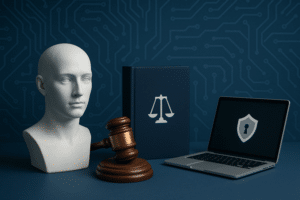 AI adoption among SMEs has grown significantly in recent years, from automating repetitive tasks to analyzing customer data and improving service delivery.
The affordability of AI solutions has dropped dramatically, making these technologies accessible to businesses of all sizes. What was once exclusive to corporations with large IT budgets is now within reach of small operations with modest resources.
At the same time, governments worldwide are creating new rules for AI use. The EU AI Act represents the most comprehensive framework so far, while the United States is developing its own AI regulatory approaches. Countries across Asia and other regions are following suit.
These regulations reflect growing public concern about AI risks and misuse. As AI becomes more powerful, lawmakers aim to prevent harm while allowing innovation to continue.
SMEs might think these regulations only affect big tech companies. This is a dangerous misconception. The regulatory net is widening, and smaller businesses using AI technologies will face compliance requirements too.
The cost of ignoring these developing regulations can be substantial. Non-compliance could lead to financial penalties, operational disruptions, and damaged customer trust. For small businesses with tight margins, such impacts can threaten their very survival.
Emerging regulatory risks in AI
Key regulatory concerns
AI regulation typically focuses on four main areas: data privacy, algorithm transparency, bias prevention, and security standards. For SMEs, these translate into practical business challenges.
Data privacy rules require careful handling of information used to train AI systems. Algorithm transparency means being able to explain how your AI makes decisions. Bias prevention demands testing systems for unfair outcomes. Security standards mandate protecting AI systems from attacks.
Each of these areas requires specific expertise and technical measures. For example, creating explainable AI might mean choosing simpler models or adding explanation features to complex ones.
SMEs face unique challenges compared to larger companies. With smaller legal teams and tech departments, keeping up with regulatory changes is harder. Limited budgets make compliance more challenging.
The regulatory burden falls disproportionately on smaller businesses. While large corporations can absorb compliance costs, SMEs may find these expenses taking a significant portion of their operating budgets.
Consider a small marketing firm using AI for customer targeting. They might face fines under laws like GDPR or CCPA without proper privacy measures. A data breach involving AI systems could cost them clients and reputation.
The regulatory landscape varies by region too. A business operating across borders may need to satisfy different AI requirements in each market, further complicating compliance.
Cybersecurity implications of AI use
Adding AI to your business brings new security concerns. AI systems need large amounts of data, creating more points where hackers might access sensitive information.
The training process itself poses risks. If training data contains sensitive information, this could be extracted through certain types of attacks. Securing the entire AI pipeline, from data collection to deployment, becomes necessary.
AI models themselves can be targets. Attackers might try to “poison” training data or manipulate AI outputs through adversarial attacks. These techniques can cause AI systems to produce harmful results.
The connected nature of many AI tools adds another layer of vulnerability. Cloud-based AI services, while convenient, mean your data travels outside your direct control, requiring strong data protection measures.
Many SMEs make common mistakes when adopting AI tools. They often:
- Use AI products without understanding the security features
- Fail to check if AI vendors meet regulatory standards
- Skip security testing before deployment
- Overlook staff training on AI-related risks
- Neglect to update AI systems when security patches become available
These oversights leave businesses vulnerable to both security breaches and regulatory penalties.
Building a resilient cybersecurity strategy under regulatory pressure
Practical steps for SMEs
Start with a thorough AI risk assessment. Review all AI tools you currently use or plan to implement. Identify what data they access, how they store information, and potential vulnerability points.
Document your findings and use them to prioritize security improvements. Focus first on AI applications handling sensitive customer data or making crucial business decisions.
Update your data protection policies to include AI-specific safeguards. This includes determining how long data is stored, who can access it, and how it’s protected during AI processing.
Staff training is crucial for mitigating cybersecurity risks. Employees should understand both the capabilities and limitations of the AI tools they use. They need to recognize potential security threats related to AI systems.
Create clear protocols for reporting suspected AI malfunctions or security issues. Quick responses to problems can reduce their impact and demonstrate regulatory compliance.
Regular security audits should include AI components. Test AI systems for vulnerabilities just like any other IT infrastructure.
Expert partnerships
Most SMEs don’t have in-house AI experts. Working with legal advisors who understand AI regulation can help you navigate compliance requirements.
Consider partnering with cybersecurity firms that specialize in AI security. They can provide technical expertise that complements your business knowledge.
Industry associations often share best practices and regulatory updates. Joining such groups can help you stay informed without investing extensive resources.
Technology vendors themselves can be valuable resources. Choose AI providers who demonstrate regulatory awareness and offer product compliance features.
Future-proofing: Staying ahead of AI regulation
AI regulation will continue to change. SMEs can prepare by monitoring regulatory developments through industry news, government announcements, and business networks.
Following ethical AI principles now will position your business well for future compliance. Focus on transparency, fairness, and privacy in all AI applications.
Create a flexible compliance framework that can adapt to new requirements. This approach is more cost-effective than rushing to meet regulations after implementation.
Consider appointing someone to oversee AI governance within your organization. Even in small companies, having a designated person tracking this area can prevent costly oversights.
Document your compliance efforts thoroughly. Good record-keeping demonstrates due diligence if regulators ever question your practices.
Conclusion
AI offers significant benefits for SMEs, but comes with regulatory and security responsibilities. Small and medium businesses can use these technologies safely by understanding the evolving regulatory landscape and taking proactive steps to secure AI systems.
The most successful approach combines awareness of regulation with practical security measures. This balanced strategy allows SMEs to gain AI advantages while minimizing risks.
For most small businesses, this means starting small with well-understood AI applications, building security from the beginning, and gradually expanding as expertise grows. With careful planning, even businesses with limited resources can navigate the complex intersection of AI regulation and cybersecurity.