

Understanding equipment financing: What you need to know
Sponsored content. This article was supplied by a third party and Business Money has been paid to publish it.
 Helping companies buy the tools and equipment required for expansion without draining financial reserves depends critically on equipment finance. Knowing the principles of equipment financing will save you time money, and worry whether your firm is tiny and you want to grow or an established company wants to replace out-of-date machinery.
Types of equipment financing options
There are various financing choices available to you when deciding how to pay for your equipment purchases; each has unique benefits and drawbacks. Like conventional term loans, equipment loans provide a flat payment to be used for direct equipment acquisition. After that, you will pay back the loan with interest over a predefined time, usually between 1-7 years. The equipment itself is collateral; generally, interest rates are less than those of unsecured financing choices. You should be aware, nevertheless, that the equipment can devaluate more quickly than loan pay-off time. Leases for equipment offer a different strategy whereby you basically hire the equipment for a predetermined duration without first becoming an owner. Usually, with less upfront expenses and flexibility at the conclusion of the lease term—that is, choices to buy the equipment, upgrade to newer versions, or return it without additional obligation—these configurations usually reflect. For technology or equipment that ages rapidly, leases can especially help. Lines of credit provide ongoing access to money, especially for equipment acquisitions for companies with good credit histories.
Qualifying for equipment financing
Lenders assess many elements to decide if you qualify for equipment financing. Knowing these requirements will help you write a more robust application. Interest rates and approval possibilities both depend much on your business credit profile. Usually, lenders look at your outstanding debt, payment record, and company credit score. For more recent companies, personal credit ratings might also be an important consideration. In a company, time influences seeming stability; most lenders want at least one to two years of operational experience. Some alternative lenders, meanwhile, focus on dealing with startups and more recent businesses. While lender and borrowing amount affect revenue needs, most desire constant cash flow enough to repay the expected payments. Along with other needed financial data, present full financial paperwork, including expected cash flows, balance sheets, and income statements.
Understanding costs and terms
Equipment financing includes various cost factors other than just the stated interest rate. Understanding these elements takes time but will enable you to determine the actual cost of financing. Depending on your credit history, the equipment type, and the lender, equipment financing interest rates usually run from 3-30%. While variable rates may start cheaper but change with the state of the market, fixed rates offer payment consistency. The term length substantially influences both monthly payments and overall loan costs. Longer periods lower monthly payments, but over time, they raise the overall interest paid. The financing duration should ideally match the projected equipment’s usable life. Origination costs—1–5% of the funded amount—documentation fees and possible prepayment penalties abound in many equipment loans and leases. Before signing any deal, ask for full fee disclosure; then, while weighing alternatives, take these expenses into account.
Specialized financing for different industries
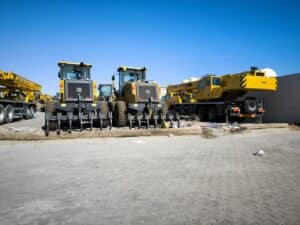
Unique equipment requirements and financial issues abound in many sectors. Knowing choices unique to your business can enable you to get more suitable funding for builders and contractors needing excavators, bulldozers, cranes, and other expensive machinery; construction and heavy equipment financing meets their demands. Longer durations (5–7 years) for these financing schemes help to fit the significant investment and prolonged usable life of construction equipment. Businesses with cyclical income patterns may be able to use seasonal payment systems, which would permit smaller payments during sluggish seasons and larger payments during busy times. Funding for medical equipment gives choices to healthcare professionals making investments in surgical tools, diagnostic equipment, and specialist medical technologies. The necessary nature and consistent value of medical equipment make these programs often competitive in terms of pricing.
Conclusion
Equipment finance helps you to save operating capital and buy necessary corporate assets. Knowing your alternatives, qualifying criteria, expenses, and industry-specific factors can help you decide on financing that supports expansion free from financial constraints. To make sure your equipment financing plan fits your general company goals, compare many suppliers, closely analyze agreements, and think about speaking with financial consultants.