

What to do after a car accident in Los Angeles: Essential steps and legal considerations
Sponsored content. This article was supplied by a third party and Business Money has been paid to publish it.
Key takeaways
- Always prioritize safety and check for injuries immediately.
- Call emergency services to report the accident and obtain help.
- Document the accident thoroughly with photos and notes.
- Share and collect information from involved parties and witnesses.
- Seek prompt medical attention regardless of how you feel.
- Notify your insurance provider without admitting fault.
- Consult a legal professional to understand and protect your rights.
Experiencing a car accident is a stressful and disorienting event, especially on the bustling roads of Los Angeles. Being aware of the immediate actions to take can make a significant difference in the outcome of your case, your health, and your financial well-being. If you ever face a collision, knowing you can reach out to Custodio & Dubey LLP for experienced legal guidance can also help you protect your rights.
From ensuring everyone’s safety to handling insurance and legal steps, acting decisively is vital in the aftermath of a car crash. Navigating the process carefully prevents common pitfalls and sets the stage for a smoother recovery, both physically and financially.
Immediate actions at the accident scene
After a car accident, safety should always be the priority. Move your vehicle to a secure location if possible, such as the shoulder of the road, to avoid further risk. Check yourself and others for injuries and call 911 right away. A police report is essential, even for seemingly minor collisions, as it serves as an official record of the event and is crucial for insurance or legal claims.
Remain calm and composed while interacting with other drivers, passengers, and bystanders. Avoid confrontation and instead focus on ensuring safety and gathering necessary information. The presence of law enforcement also acts as a neutral mediator if tensions escalate.
Documenting the scene
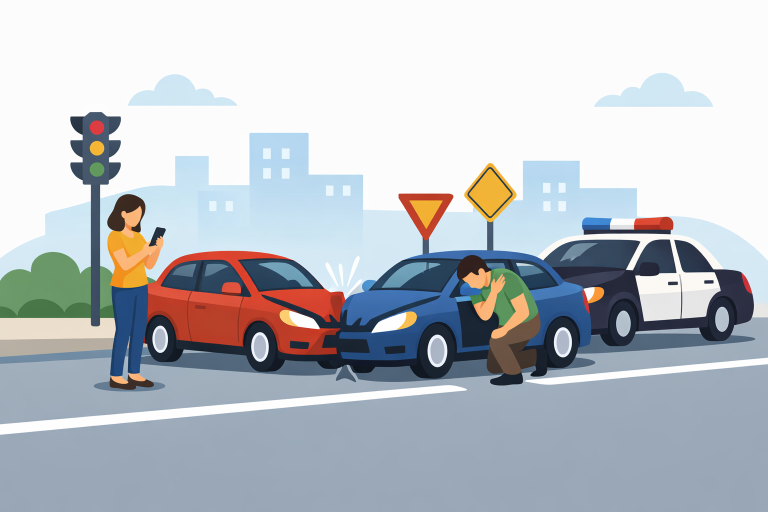
Once urgent medical needs have been addressed, document the scene as thoroughly as possible. Use your phone to take clear pictures of all vehicles, license plates, nearby traffic signs, road conditions, and any noticeable injuries. These images can provide persuasive evidence if disputes arise later with insurance providers or in court.
Speak with anyone who witnessed the accident and write down their names and contact information. Firsthand accounts from neutral parties often carry significant weight when determining liability or clarifying confusing details for investigators. For reference on why evidence is important in accident cases, you can review best practices on The New York Times’ guide to smarter living.
Exchanging information
Exchange your name, phone number, driver’s license number, and insurance details with all other involved drivers. Be polite but avoid discussing exactly how the accident occurred or admitting fault. Statements made in the heat of the moment can be misinterpreted and used against you later.
Share this same basic information with the attending police officer if they request it. The officer will provide you with a report number for insurance purposes or future legal steps.
Seeking medical attention
Even if you do not believe you are injured, seeking prompt medical attention is critical. Injuries like whiplash, soft-tissue damage, or internal trauma may not become apparent until hours or days later. Immediate medical evaluation creates a clear record that can connect any injuries to the accident, supporting your claim.
Be sure to keep any discharge summaries, medical bills, or treatment notes provided by healthcare professionals. This documentation will be important in demonstrating the severity of your injuries for insurance adjusters and, if needed, the court.
Reporting the accident
After you have left the accident scene, promptly report the incident to your insurance company. Provide objective facts about what happened and share photographic evidence, but do not speculate or admit responsibility. In California, drivers must file a Report of Traffic Accident Occurring in California (SR-1) with the Department of Motor Vehicles within 10 days if the incident involves injuries or more than $1,000 in property damage. Failing to do so can result in penalties or suspension of your driver’s license. More information on state requirements can be found on the California DMV website.
Understanding legal considerations
After a car accident, legal complexities can easily overwhelm anyone unfamiliar with motor vehicle laws or insurance policies. Consulting with a knowledgeable injury attorney can offer peace of mind and practical support. A legal professional helps navigate negotiations with insurance companies, protects you against unfair claims of fault, and, if litigation becomes necessary, advocates for a fair resolution.
A skilled attorney can also help gather essential evidence, calculate full damages, and ensure that all statutes of limitations and filing deadlines are met. This advice is especially valuable in cases involving serious injuries, uninsured drivers, or commercial vehicles.
Preventive measures for future safety
Taking steps to prevent future accidents benefits everyone on the road. Practicing defensive driving means remaining alert to your surroundings, anticipating other drivers’ actions, and avoiding risky behaviors such as speeding or using a mobile phone while driving. Regular vehicle maintenance, like checking brakes, tires, and lights, can help prevent mechanical failures that could lead to crashes.
Conclusion
Preparing for the aftermath of a car accident is one of the best ways to safeguard your health and legal rights. By staying calm, gathering detailed documentation, and seeking professional guidance, you can navigate the process successfully and ensure a quicker recovery. Remember to prioritize your safety, follow legal reporting obligations, and reach out to trusted advisors when in doubt.